 The Wallet Shoppe
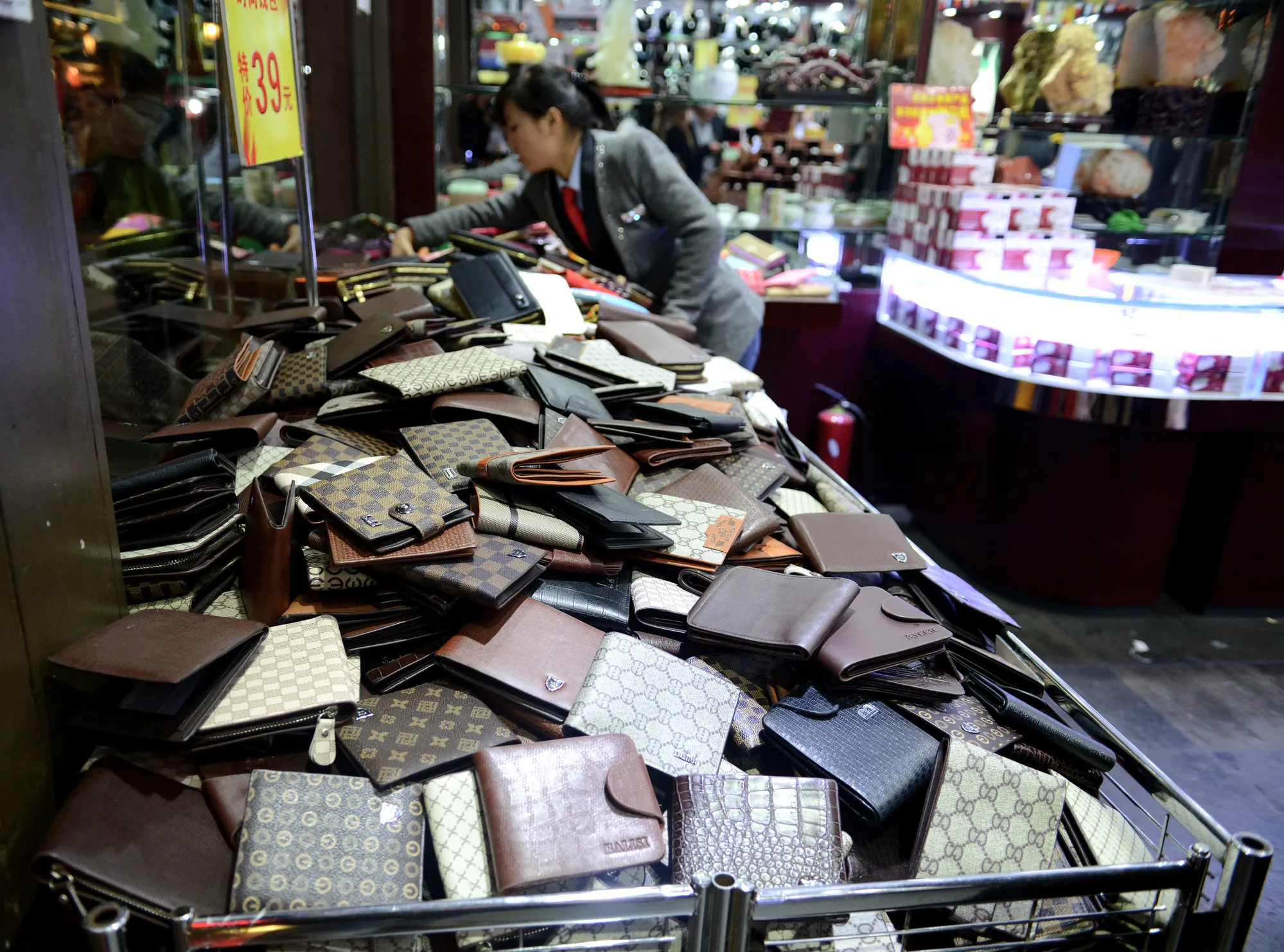
Have you ever found yourself wondering if that great deal was too great? Could you spot a fake COACH wallet or bag? We know you work hard for your money. We also know that what you carry is important to you – you wouldn’t be here if it wasn’t.
This is precisely why we wanted to spend some time to show you how to make sure that the COACH wallet or bag you’re getting is the real deal. One thing up front: no single detail below proves a wallet is genuine. Good fakes copy logos and codes too. Put together, though, they’ll catch most of the bad ones.
COACH Takes Counterfeits Seriously
First and foremost, know this…COACH takes this very seriously. Besides hurting them financially, cheapening their brand and losing trust with their customers, the “fake” industry is tied to some pretty bad stuff.
The USPTO says that as of 2018, “counterfeiting is the largest criminal enterprise in the world, with domestic and international sales of counterfeit and pirated goods totaling between an estimated $1.7 trillion and $4.5 trillion a year” (source). That’s more than drugs or human trafficking, according to the same report.
Coach’s brand-protection page lists where it sells, warns about copycat websites that call themselves “official” or misspell the brand name, and has its own reporting form and hotline.
Now, let’s look at a few things that you can do (as the consumer) to protect yourself from counterfeit products:
1. Price Too Good to Be True? Check the Seller
Early warning signs of a counterfeit are a heavily under-priced product, or one priced like new from a seller who can’t tell you anything about it. Compare the price with the same model on Coach’s own site.
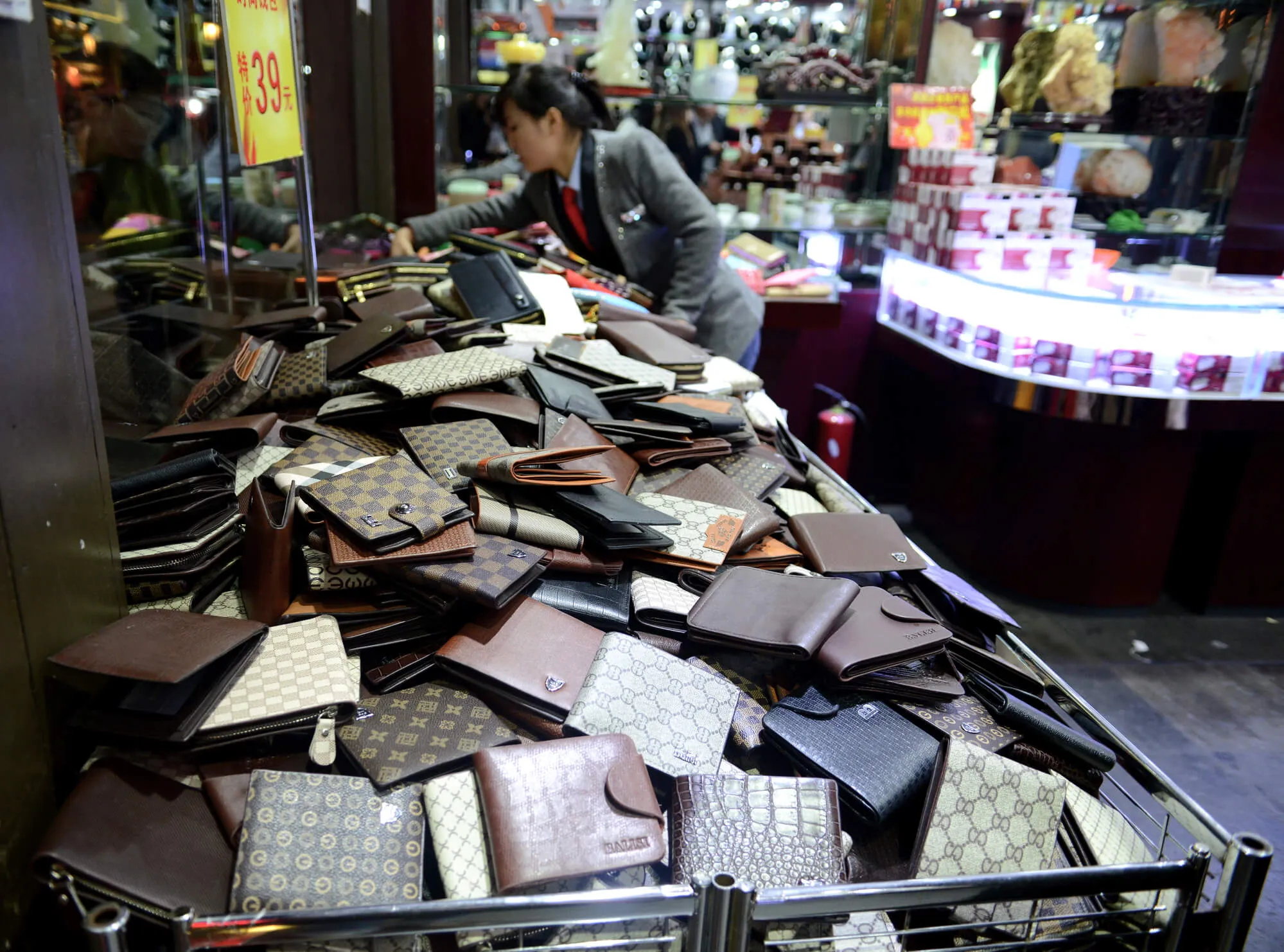
Plenty of secondhand Coach on eBay or Facebook Marketplace is genuine. Someone bought a wallet, didn’t love it, and is selling it on. But that’s also where people get burned. On a marketplace, the platform and the seller aren’t the same business, so look at the seller’s history, the return terms and the platform’s dispute process before you pay. Ask where and when they bought it. A receipt helps, but receipts and boxes can be copied or belong to another item.
If anyone pushes you to pay outside the platform or decide before you’ve seen proper photos, walk away.
And if you’re buying new, the simplest fix is to buy from Coach or one of the retailers on its brand-protection page. Our Coach wallets for women and Coach wallets for men round up the current styles.
2. Design Flaws: Logo and Color
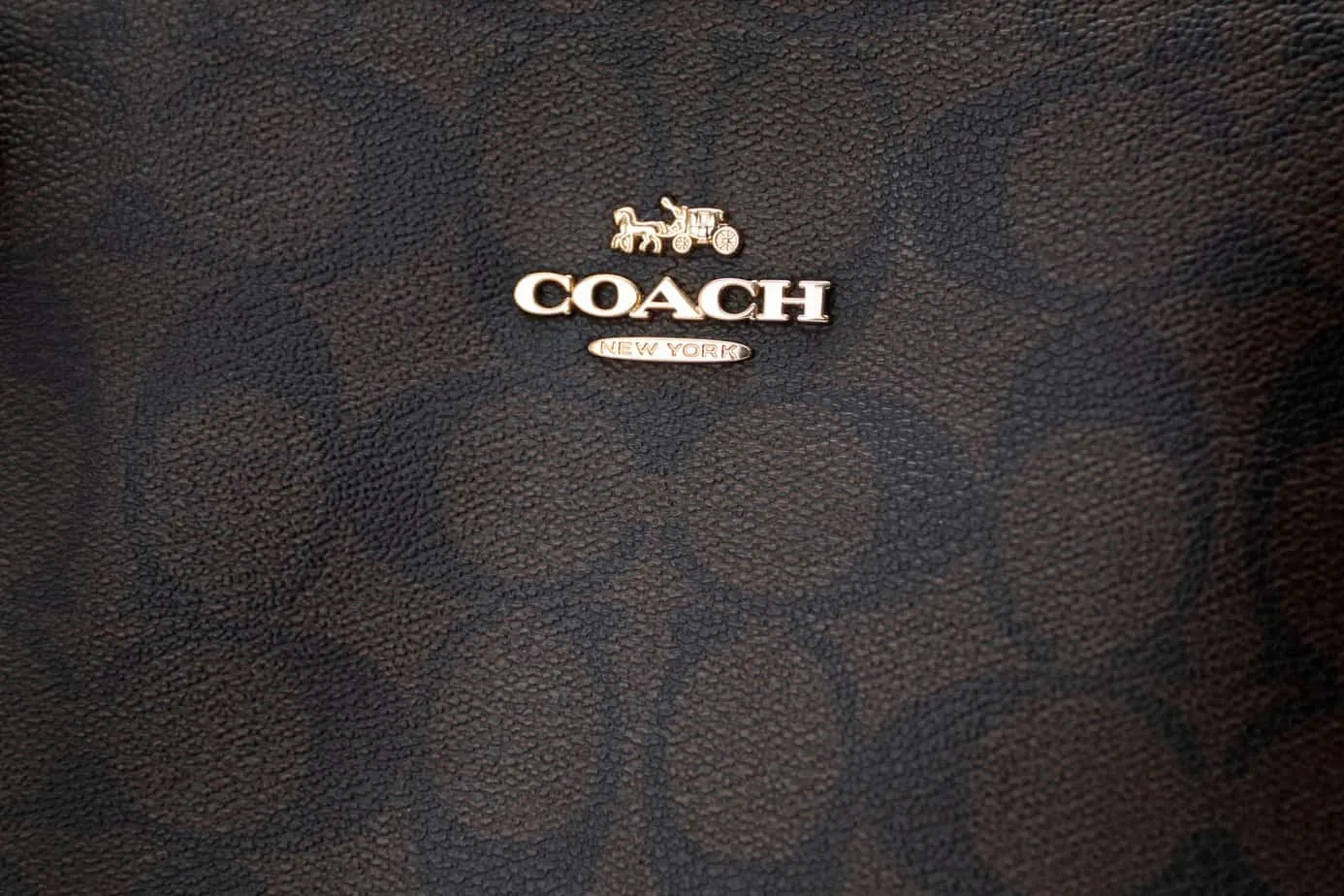
The most obvious feature of a COACH wallet or purse is the logo of said maker. On the signature canvas, that’s the interlocking C’s. Many counterfeit wallets get this wrong, using G’s or O’s or a single C (we’ve seen a bit of everything). Compare it with Coach’s own photos of the same model.
Another part of the design you would do well to pay attention to is the color of the wallet or bag that you’re buying. Ask yourself: “Is this a color that was ACTUALLY offered for this particular product?” Sometimes it’s not. Retired styles and colors drop off Coach’s website, so a color you can’t find there isn’t proof of a fake on its own. A color Coach never made for that model is a much bigger red flag.
3. Feel the Leather
Feel it. Coach’s leather wallets should feel like good leather, and the fakes often use cheaper materials that feel stiff, plasticky or like bonded leather (pleather).
Use your judgement, but don’t lean on this one alone. Coach uses a lot of different leathers and finishes, including coated canvas that isn’t supposed to feel like soft leather at all. Compare with the model, not with every Coach you’ve ever touched.
4. Check the Stitching
Next, take a good long look and examine the stitching.
- Is it done professionally and to a fine finish?
- Is it in a straight, even line?
- Are there any frays in the stitching or places where it’s coming undone?
We’ve seen some beautiful knockoffs with HORRIBLE stitching. It’s a telltale sign if something is not “lining up” here. On a used wallet, though, wear and old repairs can explain a loose thread, so ask about its history before you write it off.
5. Flimsy Hardware
COACH uses solid metal hardware on its wallets and bags, so lightweight plastic-feeling snaps, or plating that’s already flaking on a “new” item, should make you suspicious. Many Coach zippers are marked YKK, like plenty of other high-end makers’ (here’s why designers like them). Don’t treat that as a rule, though. Not every Coach zipper says YKK, and counterfeiters can buy YKK zippers like anyone else.
6. Check the Style Number
It would be nice if there was a way to quickly check a COACH wallet’s authenticity from its serial number, but it’s not quite that easy.
There are whole pages on fashion websites devoted to vintage COACH bags and wallets that will list out all the variations of COACH codes over the years (a good example can be found at Essex Fashion House). We’re assuming here you’re not looking at vintage, which is a whole art unto itself.
Here’s our short version:
- Many COACH bags have a leather “creed” patch with a code on it, and the ones we’ve seen were prefixed “No.” (as in “No. A12-3456”).
- A modern COACH code tends to look like ANA-NNNN or ANNNN-NNNNN, where the part to the left of the hyphen indicates place and date of manufacture and everything to the right is the “style number”. It is NOT a unique serial number.
- Plenty of Coach products, especially wallets and smaller pieces, don’t have a creed patch at all, so a missing one isn’t a giveaway.
So if you can’t even get a unique serial number to check, what can you do?
One trick is to search that style code in your favorite search engine and click the “images” tab. You should see the same product come up. Of course, that isn’t a 100% guarantee, as fake numbers can get published too.
If you’re buying from an auction site like eBay, ask the seller to photograph the code, the inside, the closure and any labels before you bid. It costs you nothing, and a seller who won’t do it has told you something.
Try Asking the Pros
If you have a COACH store or outlet near you, the staff know their own products far better than any of us, and some will happily give you an opinion. This is NOT an official service, so be your most charming! Coach itself says it doesn’t respond to requests to authenticate products, so don’t expect a certificate.
Independent authentication services exist too. If you use one, check what evidence they need and whether your marketplace will accept their opinion in a dispute.
If You Have Bought a Fake
If for any unfortunate reason you have fallen victim to the purchase of a counterfeit COACH product, you have a couple of options at your disposal.
First, get your money back if you can. Keep the listing, order details, messages and photos, and open a return or dispute with the seller or platform within its deadline. If you bought it from someone who genuinely didn’t realize it was a fake, you may be able to come to an agreement. Of course, if you picked it up from a street vendor, that’s not very likely…
Second, report it. Coach’s brand-protection page has a counterfeit reporting form and hotline, and you can report anonymously. It won’t get you a refund, and the team won’t tell you whether your item is real.
Before You Go…
You may be wondering if expensive wallets are worth it at all – no worries, we’ve got you covered! Check out our next article: Are Expensive Wallets Worth It?
Checking a different brand? Our Gucci authenticity guide does the same job for Gucci; its markings are different, so don’t carry the Coach details over.
FAQs
Is COACH made in China?
Mostly not, these days. Coach’s parent company says in its fiscal 2025 annual report that manufacturers of Coach products were primarily located in Vietnam, Cambodia, the Philippines and India. That doesn’t mean NO Coach products are made in China, so “Made in China” on a label isn’t a giveaway either way.
Is Tapestry the same as COACH?
Tapestry is Coach’s parent company. Coach, Inc. changed its corporate name to Tapestry in 2017, and Tapestry now owns Coach and Kate Spade.
Is 6PM legit?
Yes. 6pm is the discount sister site of Zappos, which is owned by Amazon.