 The Wallet Shoppe
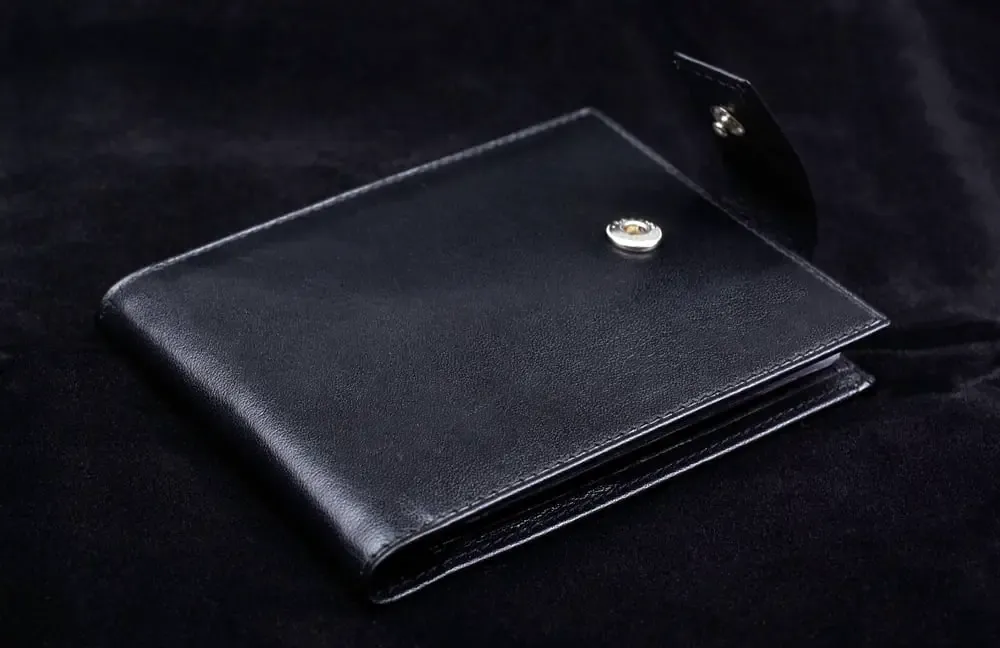
How do you know if a wallet is good quality? We’ll give you six pointers to make sure you are getting something that will serve you well.
How Do You Know If a Wallet is Good Quality?
When purchasing a high-quality wallet, let’s consider the most essential features.
The Material
Straight out of the gate - the first thing to look at is what it’s made of. Our favorites are usually classics made of full-grain leather: it’s tough, wears well, and develops a patina over time. Full grain isn’t a guarantee on its own, though; the finish, thickness, lining and construction matter too. Our leather terminology guide explains why full-grain, top-grain, suede, and “genuine leather” aren’t a simple best-to-worst ranking.
Minor natural marks are normal on full-grain leather. Look at the edges, too: layers that are separating are a bad sign.
Nylon, polyester, and cotton can make practical, well-built wallets. There’s nothing wrong with a well-made fabric wallet.
Metal, of course, is a whole other thing. There are some beautiful high-end metal wallets out there, but watch out for thin, cheap knockoffs. Look for smooth edges, cards that are held securely, and replaceable elastic. Or check out this beautiful copper number:
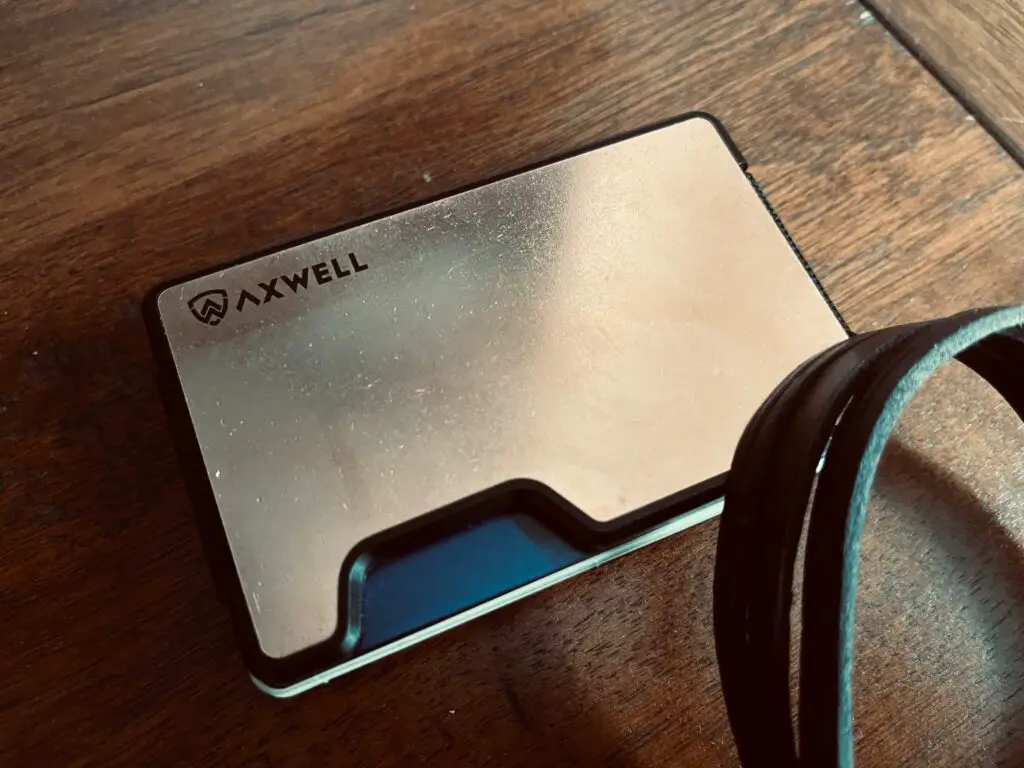
(That’s from Axwell - check out our review here.)
For a quality full-grain leather wallet that won’t break the bank:
The Craftsmanship
Look at the finer details and the craftsmanship. There are a few different things to look for here.
Where a wallet was made tells you less than you’d think: good and poor wallets come out of the same countries. Look at the wallet itself. (Harber London and House of Jack are two very different makers we like.)
A bifold should fold neatly in half, with the top and bottom lined up when it’s closed. Look at the corners to see if they’re straight and even, and check that each card pocket holds its card securely.
Finally, the stitching on a leather wallet is key. It should be even, with no loose thread ends, and no lifting or fraying at the lining edges. A good maker isn’t going to let uneven stitching past quality control. (Riveted wallets get a pass on stitching, of course, as long as the rivets are tight.)
The Capacity and Design
Next, look at the design and overall capacity of the wallet. Of course, the build quality is essential, but it’s not the only thing to look for. You need a functional wallet that will serve your needs.
For example, some wallets are extremely thin and low-profile (we are big fans of slim wallets).
While this makes them comfortable in your pocket because they don’t get in your way, it also means they don’t have much space inside. You need a wallet with enough room for all your cards, cash, and whatever else you want to put in there.
Bifolds and trifolds vary in pocket count and cash storage. A standard bifold usually carries up to about 8 cards and cash, while trifolds hold more but get bulky fast. A good wallet is large enough to fit your cards and money but no bigger.
Well-designed wallets have features like:
-
Easy access slots for your most-used cards
-
Extra storage for less-used cards (a pull-tab pocket, say), which keeps the wallet slim without adding layers
-
Slim pockets (that don’t sag) inside and out
RFID Protection
Lots of wallets now come with RFID shielding, which stops contactless cards being read through the wallet. The claims made by most RFID-blocking wallet makers should be taken with a pinch of salt, though: the risk appears more theoretical than widespread, so we wouldn’t worry too much. And it says nothing about build quality: cheap wallets have it, and some beautifully made ones don’t. Our RFID guide explains how to check it in practice.
The Cost
Next, consider the cost of the wallet.
If you’re willing to spend more on a wallet, chances are you’ll get something better made. Price is a decent clue, but not a guarantee: some of it pays for materials and labor, and some of it pays for the name.
Our guide to expensive wallets separates reasons to spend more from reasons to choose a simpler option. A fabric wallet with sound stitching can serve you better than a luxury leather wallet whose layout you dislike.
Care, Repairs, and Warranty
The sixth check is what happens after purchase. Does the maker explain how to care for the material? Can worn elastic, a clip, or an ejector be replaced? Are the warranty exclusions clear?
A good maker stands behind its wallets, but read what “lifetime” actually covers.
Before You Go…
If you pay attention to the six factors and features discussed above, you should have no problems finding a high-quality wallet! Now you just need to decide between all the different kinds of wallet!