 The Wallet Shoppe
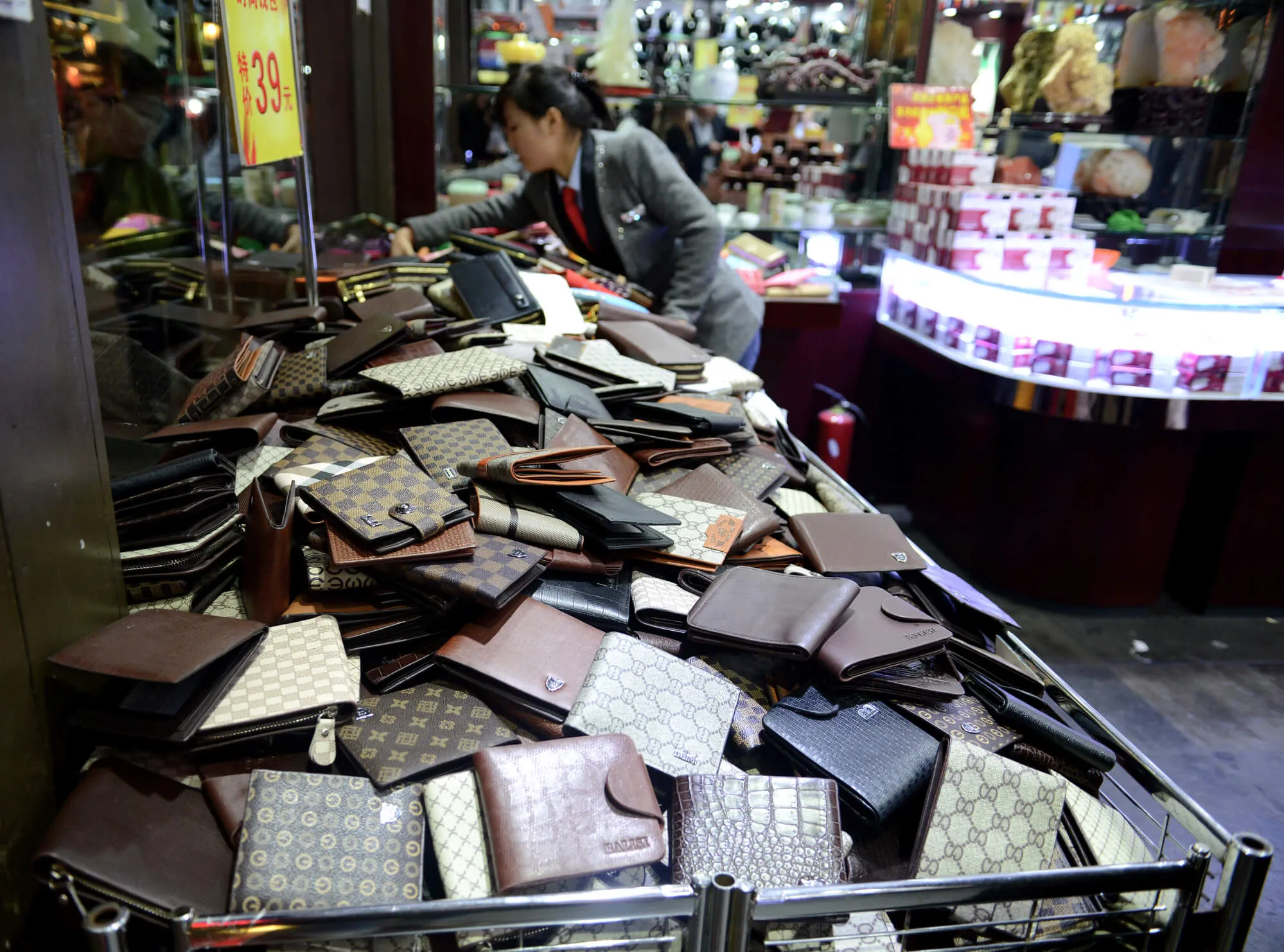
Checking a Gucci wallet means comparing the particular model and its purchase history, not running through a universal logo test. A copied number or tidy stitching can look convincing, and genuine designs vary.
For a new wallet, start with Gucci or a retailer whose authorization you can establish. Gucci’s official FAQ covers authenticity and customer-service questions.
Establish Where It Came From
Ask a secondhand seller where and when the wallet was purchased and whether they have the original receipt. Compare the details with the item, but remember that packaging and paperwork can be copied or separated from the product they accompanied.
Check the seller’s identity, return terms, and the marketplace’s dispute process. Avoid paying outside the agreed platform because a seller promises a better deal.
Find the Right Model to Compare
Request clear photographs of the front, back, interior, closure, markings, and any model information. Compare with Gucci’s own product images when available, or reliable references for the same period and version.
An older colorway may have disappeared from the current catalog. Conversely, finding an identical-looking item in an image search doesn’t authenticate the seller’s wallet; the reference image itself could be wrong or copied.
Inspect Logos and Markings in Context
Compare the lettering, spacing, placement, and construction with the exact model. Don’t assume every authentic Gucci wallet must carry the same double-G design, the same stamp, or the same arrangement of numbers.
A number can help with identification, but it isn’t a public authenticity guarantee. A matching search result is a lead to investigate, not a conclusive test.
Gucci’s NFC Authenticity Tag is available only on selected items from newer collections, so an older wallet’s lack of a tag is not proof of a fake. For a supported item, use the Gucci app and the maker’s scanning instructions rather than treating any NFC response as authentication.
Check Materials and Hardware
Look for unexplained differences in the lining, edge finishing, stitching, and closure. Ask about visible repairs or replaced parts on a used wallet. Damage can affect the purchase decision even when it says nothing definitive about authenticity.
Avoid blanket claims that every genuine wallet must have a particular zipper maker, perfectly soft leather, or no visible glue. Those shortcuts can misidentify both genuine and counterfeit products. Weight and smell are similarly weak tests on their own.
Decide What Evidence Is Enough Before Paying
For an expensive secondhand purchase, an independent specialist familiar with the model may be useful. Check what evidence the service needs, what it will provide, and whether the seller or platform recognizes its assessment. Photos alone may not settle every question.
If you remain uncertain, leave the purchase. A low price isn’t a reason to ignore gaps in the item’s history, and a high price doesn’t prove that it is genuine.
If the Item Arrives and You Have Concerns
Save the listing, payment record, seller messages, and photographs of the item you received. Use the retailer or marketplace’s return and dispute process within its deadlines. For Gucci’s own reporting and service channels, consult its current official FAQ.
Avoid altering or repairing the item while a dispute is unresolved unless the relevant process directs you to do so. Keep the evidence available so the seller, platform, or specialist can assess the same condition you received.
If you’re still deciding whether to spend that much on a wallet at all, our expensive-wallet guide separates construction and practical features from the premium paid for a design or brand.
For Coach-specific references and reporting options, use our Coach authenticity guide. Model details and brand policies differ, so Gucci’s examples are not a checklist for every luxury wallet.