 The Wallet Shoppe
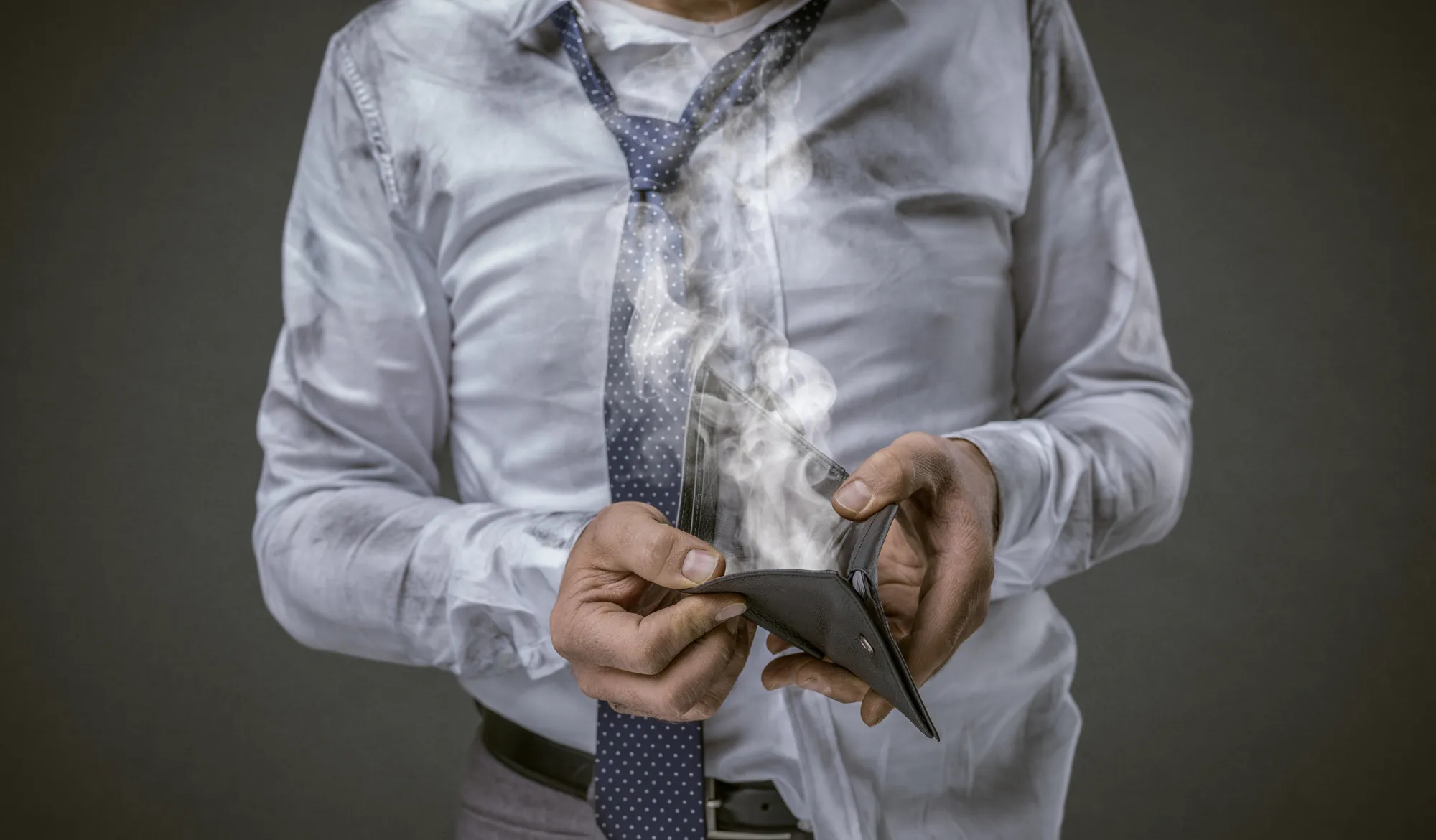
Empty the wallet, remove loose dirt, and check the maker’s care instructions before using water or cleaner. Smooth leather, suede, and coated finishes need different treatment.
Cleaning can remove dirt, but it won’t necessarily reverse wear, scratches, or patina. The aim is a clean, usable wallet, not making every old wallet look new.
Start With Loose Dirt
Remove cards, cash, and receipts from every compartment. Shake out crumbs and gently brush away surface debris with a suitable soft brush or cloth. Don’t scrub grit into the leather.
Check the finish before proceeding. If you can’t identify it, ask the manufacturer or a leather-care specialist, especially for an ink or oil stain on a valuable wallet.
Use a Compatible Cleaner
Some smooth leathers can be wiped with a lightly damp cloth; others need a specific product. Bellroy, for example, recommends a dry cloth for dust and dirt before leather cleaner. Follow your wallet maker’s instructions and avoid soaking the seams or lining.
Saddle soap is one option for suitable smooth leather, but it isn’t a universal wallet cleaner. Otter Wax warns that saddle soap can flatten or darken the nap on suede and nubuck. Check both the wallet maker’s advice and the cleaner’s exclusions before choosing it.
Patch-test the product in a concealed area with the same finish as the area you plan to clean. Let the patch dry and look for color or texture changes. An unlined interior may behave differently from a finished exterior, so testing only the inside isn’t always useful.
Apply as directed with a clean cloth. If gentle cleaning doesn’t move the stain, don’t keep adding product or scrubbing harder.
If the Wallet Gets Wet
Take the contents out and gently blot excess moisture. Let it dry at room temperature away from direct sunlight, radiators, and hair dryers. Don’t wring, knead, or force a wet wallet into shape.
Follow the manufacturer’s advice about supporting its shape as it dries. Don’t fill the pockets with cards or put conditioner on wet leather unless the product and wallet instructions specifically call for that treatment.
If it has been through a washing machine, the same careful drying approach applies, but recovery isn’t guaranteed. Washing itself can damage the finish or construction; a dryer isn’t the only source of damage.
Conditioning Depends on the Finish
Use a conditioner only where it is compatible with the leather. Check its exclusions, patch-test it, and follow the recommended amount and application method. More conditioner can leave residue or change the color.
A kit can be convenient for suitable smooth leather, but don’t assume it is appropriate for suede, nubuck, patent, or a peeling coating. Coach’s care guidance uses a separate brush-and-eraser routine for suede and nubuck. Your own wallet maker’s instructions should decide the treatment.
There is no conditioning timetable that suits every wallet. Use and storage conditions vary, and some finishes don’t need the products recommended for others.
Keep the Pockets Within Their Intended Capacity
Don’t force extra cards into a tight slot. Follow the wallet’s stated capacity and remove receipts regularly. Overstuffing can strain pockets and seams, and getting a stretched slot back to its original size isn’t straightforward.
Store the wallet dry and away from prolonged heat. Avoid trapping a damp wallet in sealed storage, and keep cosmetics and oily food away from the surface.
For help reading material labels, see our leather terminology guide. The label is a starting point; the finish and construction determine how to care for the completed wallet.