 The Wallet Shoppe
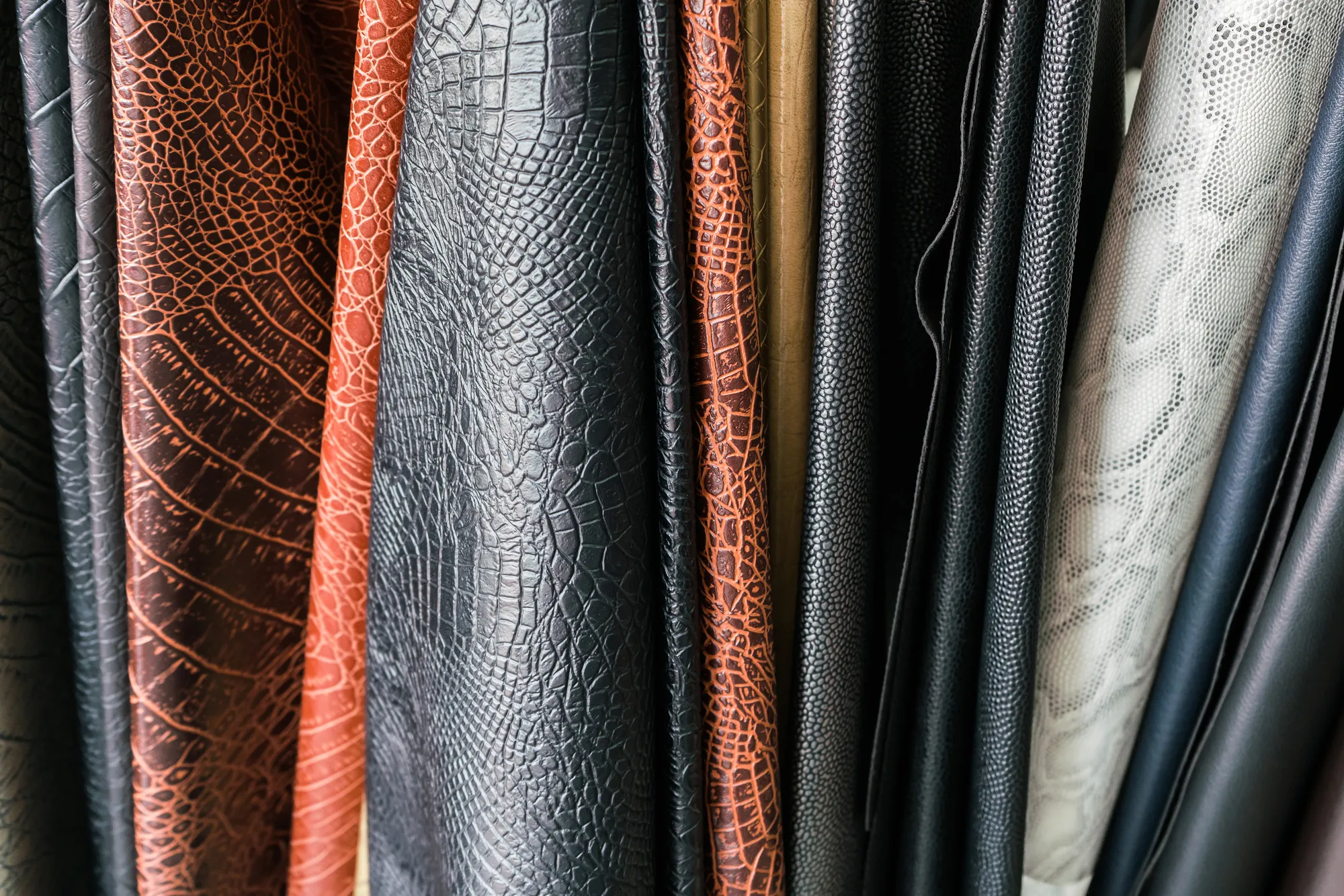
PU stands for polyurethane. “PU leather” usually describes a leather-like material with a polyurethane surface over a backing, but product descriptions use the term loosely. Check the full material composition before deciding what you’re buying.
The useful questions are what supports that surface, whether animal material is present, and how the finished item handles repeated folding and rubbing.
Is PU Leather Vegan?
A PU-coated textile can be animal-free, while an animal-hide material finished with PU is not. The coating name alone doesn’t establish the composition of a wallet or bag, including its trim and other components.
Ask the seller whether the finished product contains animal-derived materials. A plain “vegan” claim is not proof of independent certification. The Vegan Society’s trademark is a specific third-party certification scheme; that is different from a seller simply using the word.
Also, vegan doesn’t mean plastic-free. Polyurethane is a polymer, and leather alternatives can combine it with textile or plant-derived components.
PU Leather Compared With Animal Leather
| Question | PU-based leather substitute | Animal leather |
|---|---|---|
| What’s it made from? | Check the coating and backing composition | Hide with a particular tanning process and finish |
| How does wear appear? | The surface may scuff, crack, or separate from the backing | Wear depends on the finish; it may patinate, scratch, dry, or crack |
| How should I clean it? | Follow the coated-material care instructions | Follow instructions for that leather finish |
| Is it vegan? | Only if the finished product is confirmed animal-free | No |
Don’t assume that every leather product outlasts every PU alternative. Thickness, formulation, construction, use, and storage all matter. For a wallet, the fold and card-slot edges deserve particular attention because they flex and rub repeatedly.
Once a coating starts peeling, leather conditioner won’t put the layers back together. Before buying, look for close photos of the edges and folds, a clear return policy, and care instructions for the actual material.
How Can You Tell What a Product Is Made From?
Start with the manufacturer’s specification. Grain patterns, softness, and smell aren’t reliable proof: embossed leather can look uniform, and synthetic materials can be flexible and textured.
Don’t drop water on a shop’s product to test it. Finishes affect absorption, and water can leave a mark. Avoid flame or scratch tests too; damaging an item won’t give you the useful buying information a proper composition label should provide.
“Made with leather” also doesn’t tell you how much of the product is leather. Ask which parts the description refers to. Our leather-label guide explains why material names and quality grades shouldn’t be treated as interchangeable.
Is It a Sensible Choice for a Wallet or Bag?
It can be, especially if you want a leather-like surface without animal hide. Judge the particular product rather than buying the label. Check that a wallet closes with your cards inside, or that a bag’s handles and strap attachments feel secure under your normal load.
Use the maker’s cleaning instructions; don’t automatically apply products meant for hide leather. If a listing gives no composition or care information and the seller can’t clarify, choose a better-documented option. Our vegan leather guide compares the broader material choices.