 The Wallet Shoppe
A strong magnet close to a card’s magnetic stripe can erase or scramble its data. That doesn’t mean every magnetic wallet will ruin a card, but it does mean a blanket promise that magnetic clasps are harmless is too reassuring.
Keep magnetic-stripe cards away from exposed magnets, and follow the wallet maker’s instructions about which pockets to use.
Why Some Cards Are More Vulnerable
Magnetic stripes store information magnetically. Their resistance to being changed is called coercivity: a low-coercivity stripe is easier to erase than a high-coercivity one. Some hotel keys use the more vulnerable type, although not all hotel keys use magnetic stripes.
K&J Magnetics tested magnets against card stripes and found that close contact could make cards unreadable. Its results also show why there isn’t one safe distance for every wallet: magnet strength, shape, and arrangement affect the field reaching the stripe.
Does That Make a Magnetic Wallet a Bad Choice?
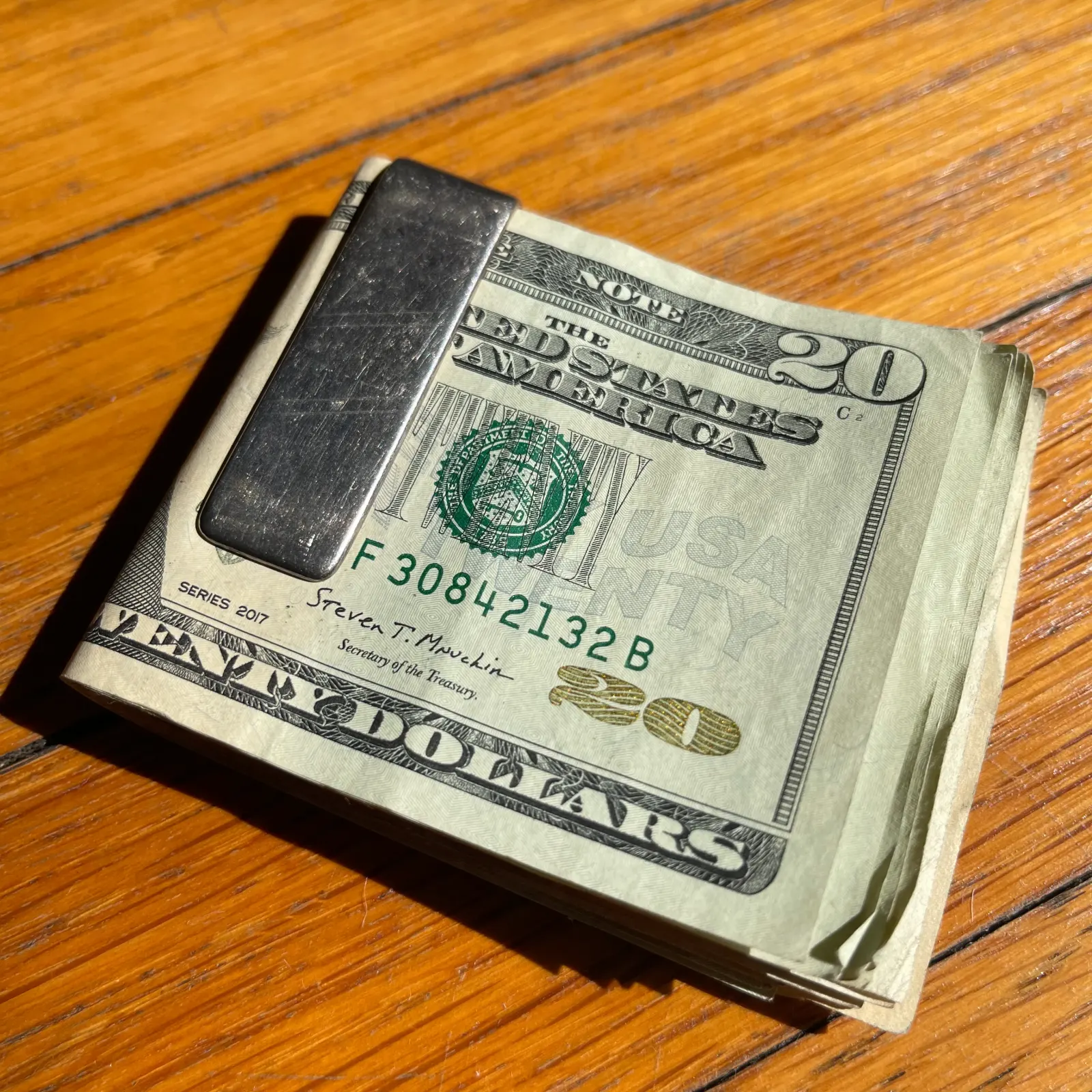
Look at the design rather than just the presence of a magnet. Where are the card slots in relation to the clasp? Does the manufacturer specify card compatibility or restrictions? A magnetic money clip intended for cash may not be intended to clamp directly onto cards.
Don’t assume a couple of folded notes guarantee protection. If you want to avoid the question entirely, choose a wallet with a non-magnetic closure or a conventional money clip.
What About the Chip and Contactless Payments?
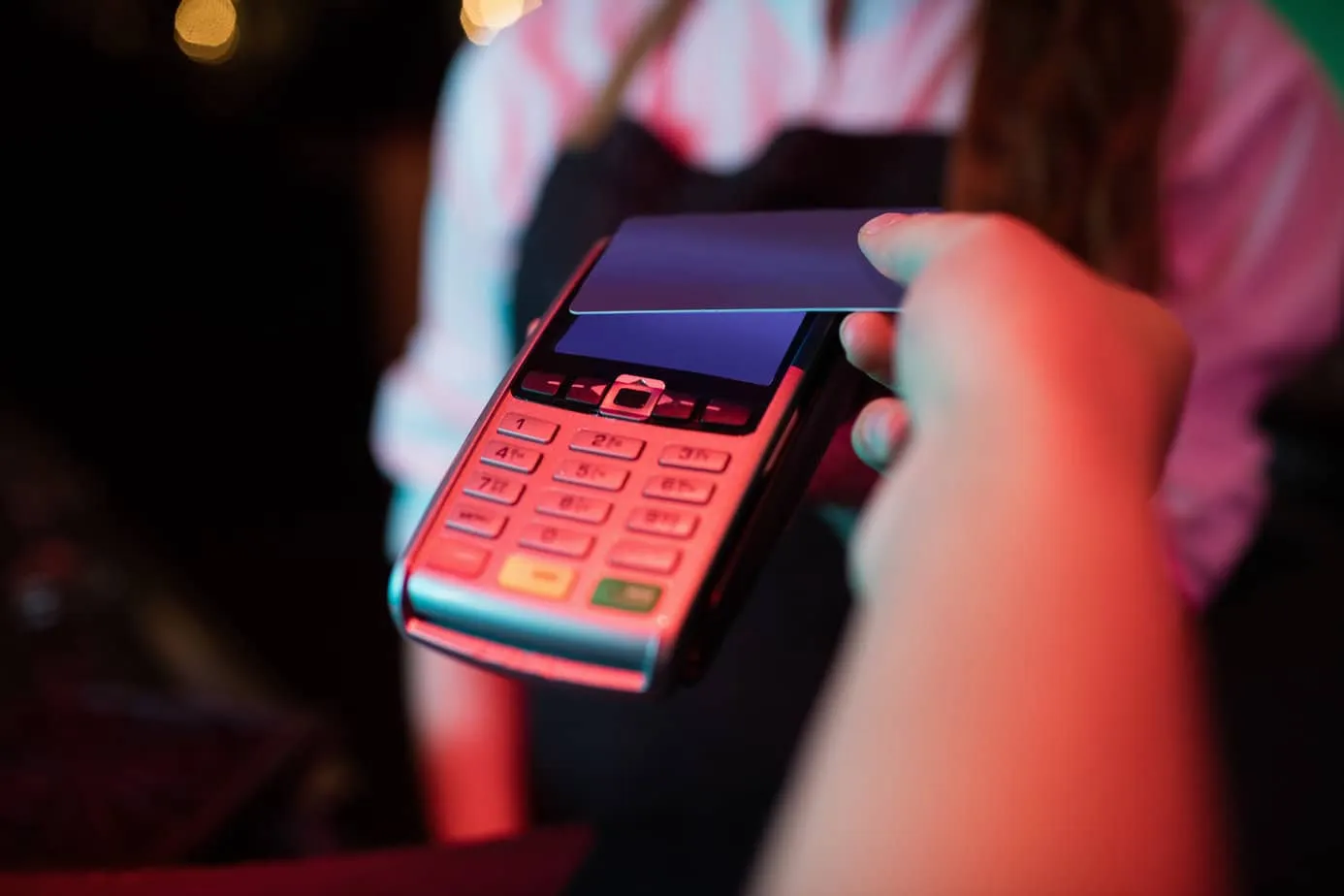
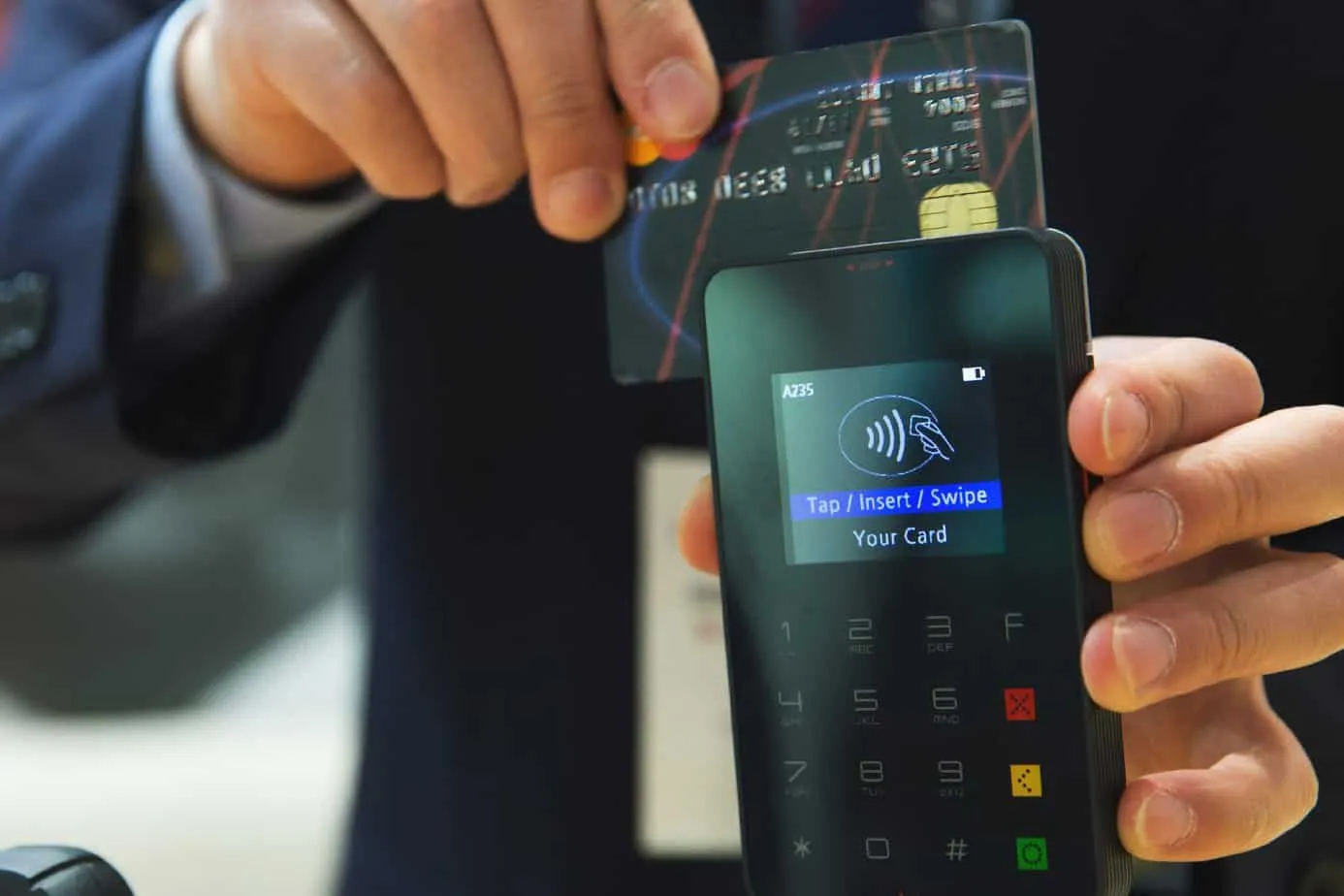
Chip and contactless payments use electronic circuitry rather than the stripe’s magnetic data. A magnet erasing the stripe doesn’t erase the chip in the same way. A card can have a chip, a contactless antenna, and a stripe; one payment method may work after another has failed.
Wireless charging raises a separate concern. Apple says not to place cards, security badges, passports, or key fobs between an iPhone and a MagSafe charger, because charging in that arrangement may damage magnetic stripes or RFID chips. Keep cards out of that space: remove the phone wallet or its contents before charging if they would sit between the phone and charger.
If a Card Stops Working
Use the issuer’s support process to troubleshoot or replace the card. A failed swipe doesn’t prove the wallet was responsible: physical wear or a reader problem can also interfere with use. Don’t test a suspected magnet by rubbing it across a working card.
For a hotel key, ask the front desk for help and carry the replacement separately from the magnetic clasp. For payment cards, keep another payment method available while arranging a replacement if needed.
RFID blocking addresses a different question: contactless radio communication. An RFID-blocking label alone doesn’t establish that a wallet protects a magnetic stripe from a clasp.